
One of the most significant advantages of medical weight loss is the personalized approach. Healthcare providers conduct thorough assessments to understand each patient’s medical history, lifestyle, and specific weight loss challenges. This individualized plan increases the likelihood of successful weight loss.
Medical weight loss programs offer comprehensive support, including nutritional counseling, exercise plans, and behavioral therapy. This multi-faceted approach addresses all aspects of weight management, making it easier for patients to adopt healthier habits and sustain them over time.
Having a physician oversee the weight loss process ensures that any underlying medical conditions are identified and managed. This is particularly important for individuals with health issues such as diabetes, hypertension, or thyroid disorders, which can complicate weight loss efforts.
Medical weight loss programs utilize evidence-based treatments, including FDA-approved medications and other medical interventions. This ensures that the methods used are both safe and effective.
The goal of medical weight loss is not just to shed pounds but to maintain a healthy weight long-term. By focusing on sustainable lifestyle changes and providing ongoing support, these programs help patients achieve lasting results.


Medical weight loss is suitable for a wide range of individuals, particularly those who:
Medical weight loss can effectively address several conditions, including:


Before seeking medical weight loss, consider trying the following at home:
Focus on a balanced diet rich in whole foods, including fruits, vegetables, lean proteins, and whole grains. Avoid processed foods, sugary beverages, and excessive amounts of saturated fats.
Incorporate regular physical activity into your routine. Aim for at least 150 minutes of moderate-intensity exercise per week, such as brisk walking, cycling, or swimming.
Adopt healthy habits such as mindful eating, portion control, and stress management techniques. These behavioral changes can support weight loss efforts and improve overall well-being.
Keep track of your food intake, physical activity, and weight loss progress. This can help you identify patterns and make necessary adjustments to your plan.
At Youthgevity, we follow a thorough process to determine if you are a candidate for medical weight loss:
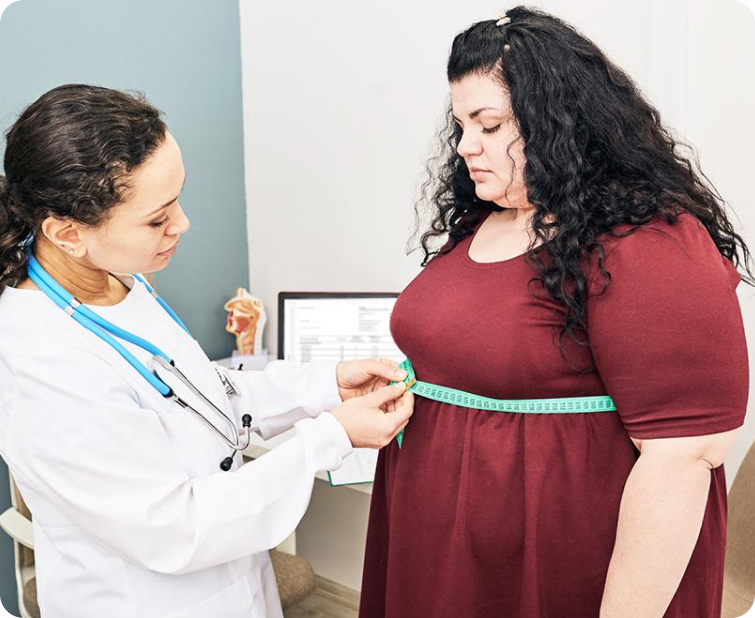
During the initial consultation, our healthcare providers will conduct a comprehensive assessment, including a review of your medical history, current health status, and weight loss goals.
We may perform diagnostic tests such as blood work, metabolic rate analysis, and body composition measurements to gain a deeper understanding of your health and identify any underlying conditions that may affect weight loss.
Based on the assessment and diagnostic results, we will develop a personalized weight loss plan tailored to your unique needs. This plan may include dietary recommendations, exercise guidelines, behavioral therapy, and, if appropriate, medication or other medical interventions.
Our team provides ongoing support throughout your weight loss journey. Regular follow-up appointments, progress monitoring, and adjustments to your plan ensure that you stay on track and achieve your weight loss goals.
Once you reach your target weight, we focus on long-term maintenance. This includes continued support and guidance to help you sustain your weight loss and maintain a healthy lifestyle.

Medical weight loss offers a scientifically-backed, personalized approach to achieving and maintaining a healthy weight. By addressing the root causes of weight gain and providing comprehensive support, these programs can lead to lasting, sustainable results. Whether you have struggled with weight management for years or are looking for a medically supervised approach to weight loss, medical weight loss programs can provide the tools and support you need to succeed. At Youthgevity, we are committed to helping you achieve your weight loss goals and improve your overall health and well-being.