
Stress is the body’s overactivated response that can harm health if chronic.

Stress and overwhelm refer to a state in which the body’s stress-response systems become overactivated and less efficient at returning to baseline. While short-term stress is a normal and adaptive part of life, chronic or cumulative stress can strain the nervous system, hormones, metabolism, and cognitive function.
When the body is exposed to ongoing emotional, mental, or physiological demands without adequate recovery, the stress-response system can remain “on” for too long.
Over time, this leads to symptoms such as fatigue, anxiety, poor sleep, irritability, brain fog, inflammation, and a reduced ability to cope with even routine challenges. Many patients describe stress and overwhelm as feeling like their system is constantly overloaded, as if there’s no margin left to recover.
At Youthgevity, we take stress and overwhelm seriously because they are often signals that the body has been operating in a heightened survival state for too long. Improving resilience requires restoring balance — not simply pushing through.
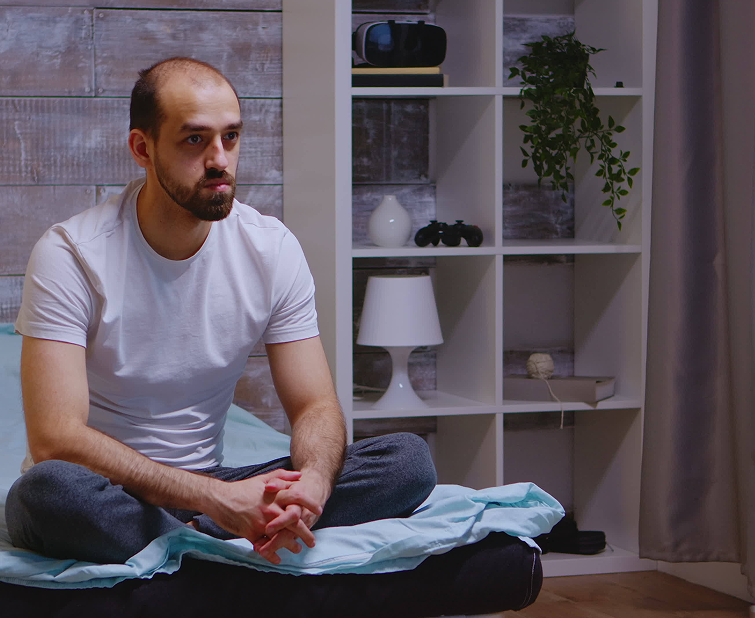
Your body is not “weak” — it is responding to sustained load.
Modern and functional medicine understand stress and overwhelm as a form of nervous system and HPA-axis dysregulation, affecting cortisol rhythms, metabolic stability, immune balance, and emotional regulation. When these systems remain activated without recovery, resilience declines.

Many patients say things like:
“I feel overwhelmed by things that never used to bother me.”
“My mind never fully shuts off.”
“I’m tired, but I can’t slow down.”
These are hallmark signs that your body needs restoration — not more pressure.

Some supportive steps you can begin at home include:
Aim for consistent sleep and wake times. Reduce evening stimulation and screen exposure.
Eat balanced meals regularly, prioritize protein, healthy fats, and fiber. Avoid long gaps between meals.
Excess caffeine can intensify nervous system activation and worsen overwhelm.
Even 5–10 minutes of walking, breathing, or quiet time helps signal safety to the nervous system.
Reducing nonstop notifications and multitasking supports cognitive recovery.
If you’ve tried these and still feel persistently overwhelmed, that is your signal to seek structured clinical support. You don’t need to navigate this alone.


Comprehensive consultation process includes:
We take time to understand stress patterns, workload, sleep, lifestyle demands, and recovery capacity.
We assess cortisol rhythms, metabolic health, inflammation markers, hormone balance, and nutrient status.
We connect the dots, not just “stress is high,” but why resilience feels reduced.
You receive a plan designed to restore balance, capacity, and adaptability.
As your system stabilizes, strategies are refined to support long-term resilience.
Stress and overwhelm are not signs of failure or weakness. They are signals — and with the right support, resilience can be rebuilt.
At Youthgevity, we help you move out of survival mode and back into sustainable performance.
Restore natural hormone balance for energy, mood & vitality through telemedicine.

Advanced protocols to heal tissues, joints & promote cellular renewal remotely.

Boost cellular energy, brain function & slow aging with IV-alternative therapy.

Discreet telemedicine solutions for performance, libido & intimacy restoration.

Medical weight loss through metabolic optimization & peptide-assisted fat loss.

Targeted peptides for cellular repair, recovery & longevity optimization.

Mon-Thu: 9AM – 5PM
Fri: 9AM – 3PM