
Medical Weight Loss

What is Medical Weight Loss?

Medical weight loss is a physician-supervised program designed to help individuals lose weight safely and effectively. Unlike fad diets or over-the-counter supplements, medical weight loss programs are based on scientific evidence and personalized care. These programs typically involve a combination of dietary changes, physical activity, behavioral therapy, and sometimes medications or other medical interventions.

What Are the Benefits of Medical Weight Loss?

Personalized Care

One of the key benefits of medical weight loss is the personalized approach. Physicians and healthcare providers tailor the program to meet the unique needs of each individual. This personalized care ensures that the interventions are effective and sustainable.

Evidence-Based Interventions

Medical weight loss programs are grounded in scientific research. This means that the strategies and treatments used are proven to be effective through clinical studies. This evidence-based approach increases the likelihood of successful weight loss.

Comprehensive Support

These programs offer comprehensive support, including nutritional counseling, physical activity guidance, and behavioral therapy. This holistic approach addresses all aspects of weight loss, making it easier for individuals to achieve their goals.

Long-Term Success

Unlike short-term diets, medical weight loss programs focus on long-term success. By promoting sustainable lifestyle changes, these programs help individuals maintain their weight loss over time.

Improved Health Outcomes

Losing weight can lead to significant improvements in health. Medical weight loss can reduce the risk of chronic conditions such as diabetes, heart disease, and hypertension. It can also improve mental health and overall quality of life.


Who is Medical Weight Loss Right For?

Medical weight loss is suitable for a wide range of individuals. It is particularly beneficial for those who:

  • Have struggled with weight loss through traditional methods
  • Have a body mass index (BMI) of 30 or higher
  • Have a BMI of 27 or higher with obesity-related health conditions such as diabetes or hypertension
  • Are looking for a medically supervised and evidence-based approach to weight loss
  • Want to improve their overall health and well-being
  • What Conditions Can Medical Weight Loss Treat?

    Medical weight loss can be an effective treatment for several conditions, including:

    • Obesity: Medical weight loss programs are designed to help individuals with obesity achieve and maintain a healthy weight.
    • Type 2 Diabetes: Weight loss can improve blood sugar control and reduce the need for diabetes medications.
    • Hypertension: Losing weight can lower blood pressure and reduce the risk of heart disease.
    • Sleep Apnea: Weight loss can alleviate the symptoms of sleep apnea and improve sleep quality.
    • Joint Pain: Reducing excess weight can relieve pressure on the joints and alleviate pain.
    • Metabolic Syndrome: Medical weight loss can improve the components of metabolic syndrome, including high blood pressure, high blood sugar, and abnormal cholesterol levels.

    What Should I Try at Home Before Seeing a Provider for Medical Weight Loss?

    Before seeking medical weight loss treatment, consider trying the following at home:

    Dietary Changes

    • Eat a Balanced Diet: Focus on whole foods, including fruits, vegetables, lean proteins, and whole grains. Avoid processed foods and sugary beverages.
    • Portion Control: Be mindful of portion sizes to avoid overeating.
    • Stay Hydrated: Drink plenty of water throughout the day to stay hydrated and support weight loss.

    Physical Activity

    • Exercise Regularly: Aim for at least 150 minutes of moderate-intensity exercise per week. This can include activities such as walking, cycling, or swimming.
    • Strength Training: Incorporate strength training exercises at least two days a week to build muscle and boost metabolism.

    Behavioral Changes

    • Set Realistic Goals: Set achievable weight loss goals and track your progress.
    • Manage Stress: Practice stress management techniques such as meditation, deep breathing, or yoga.
    • Get Adequate Sleep: Aim for 7-9 hours of sleep per night to support overall health and weight loss.

    Monitor Your Progress

    • Keep a Food Diary: Track your food intake to identify patterns and make healthier choices.
    • Weigh Yourself Regularly: Monitor your weight regularly to track your progress and stay motivated.

    Our Process for Determining if You Are a Candidate for Medical Weight Loss

    At Youthgevity, we follow a comprehensive process to determine if you are a candidate for medical weight loss:

    Initial Consultation

    Your journey begins with an initial consultation with one of our experienced healthcare providers. During this consultation, we will discuss your medical history, weight loss goals, and any previous weight loss attempts.

    Comprehensive Assessment

    We conduct a thorough assessment, which may include:

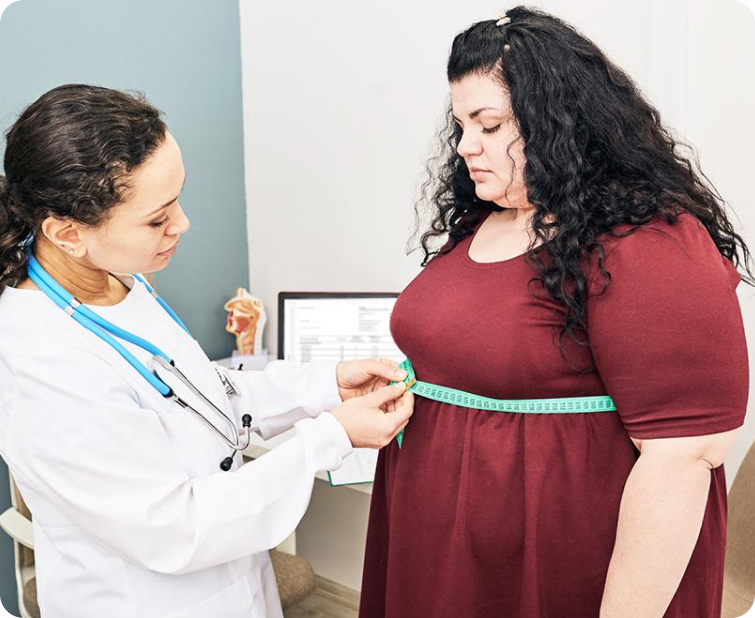
    • Physical Examination: A detailed physical examination to assess your overall health.
    • Biomarker Testing: Blood tests to evaluate biomarkers related to metabolism, hormones, and overall health.
    • Body Composition Analysis: Measurement of body fat percentage, muscle mass, and other key metrics.

    Personalized Plan

    Based on the assessment results, we develop a personalized weight loss plan tailored to your unique needs. This plan may include:

    • Nutritional Counseling: Customized dietary recommendations to support weight loss.
    • Exercise Guidance: A personalized exercise plan to help you achieve your fitness goals.
    • Behavioral Therapy: Support for making sustainable lifestyle changes.
    • Medical Interventions: If necessary, we may recommend medications or other medical treatments to support your weight loss journey.

    Ongoing Support

    We provide ongoing support and monitoring to help you stay on track and achieve your weight loss goals. Regular follow-up appointments allow us to adjust your plan as needed and address any challenges you may encounter.

    Conclusion

    Medical weight loss offers a science-based, personalized approach to achieving and maintaining a healthy weight. By addressing the root causes of weight gain and providing comprehensive support, these programs can lead to significant improvements in health and well-being. 

    Whether you have struggled with weight loss in the past or are looking for a medically supervised approach, medical weight loss may be the solution you need. At Youthgevity, we are committed to helping you achieve your weight loss goals through personalized, evidence-based care.

    Treatment Locations