
Perimenopause is a natural hormonal shift that can impact wellbeing.

Perimenopause is the transitional phase leading up to menopause, during which the ovaries begin to produce fluctuating and gradually declining levels of estrogen, progesterone, and other hormones. This phase can begin several years before menopause and ends once menopause is reached.
Perimenopause is not a disease — it is a normal biological transition. However, the hormonal fluctuations that occur during this time can significantly impact daily functioning, emotional wellbeing, and overall quality of life.
At Youthgevity, we approach perimenopause with clarity, validation, and evidence-based care. Your symptoms are real. Your experience matters. And with the right support, this transition can be navigated with greater stability, confidence, and control.

As hormone levels fluctuate, the body enters a period of neuroendocrine adjustment. Multiple systems — including the brain, nervous system, and metabolism — are learning to function in an increasingly variable hormonal environment.
This is why symptoms during perimenopause can feel inconsistent or sudden. One month may feel manageable, while the next feels overwhelming.
This is not imagined, and it is not “just stress.”
Your body is adapting — and it deserves support during that transition.

Many women express:
“I don’t feel like myself anymore.”
“My mood and energy feel unpredictable.”
“I want to feel balanced again.”
These symptoms are common, real, and highly treatable when addressed with the right clinical approach.

Certain foundational habits may help reduce symptom intensity:
A consistent sleep schedule supports hormone regulation and nervous system stability.
Supports metabolism, muscle mass, and long-term resilience.
These can worsen hot flashes, sleep disruption, and mood swings.
Supports metabolic stability and muscle preservation.
Walking, breathing exercises, yoga, or quiet breaks help reduce cortisol-driven symptoms.
If symptoms feel disruptive, persistent, or overwhelming, it’s time for clinical support. You do not need to manage perimenopause on your own.


Comprehensive consultation process includes:
We take time to understand your symptoms, cycle changes, lifestyle demands, and goals — without rushing or minimizing.
We assess hormone patterns, thyroid function, metabolic health, inflammation markers, and nutrient status.
You receive a plan designed for your biology — not a one-size-fits-all approach.
Hormones change throughout perimenopause, and your care adapts as your needs evolve.
Perimenopause is not something to simply endure. It is a transition that can be supported with clarity and confidence.
At Youthgevity, we help you move through this phase feeling informed, supported, and grounded in your body.
Restore natural hormone balance for energy, mood & vitality through telemedicine.

Advanced protocols to heal tissues, joints & promote cellular renewal remotely.
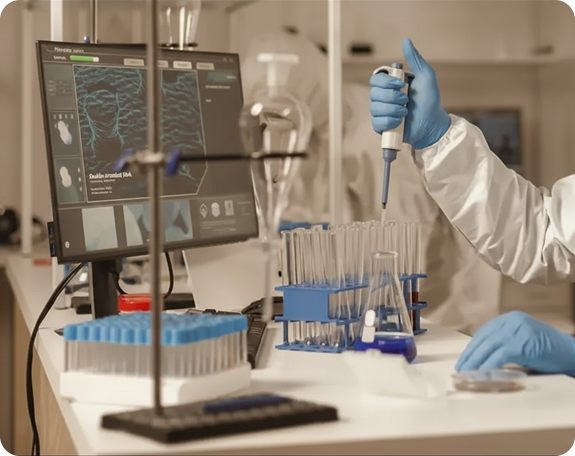
Boost cellular energy, brain function & slow aging with IV-alternative therapy.
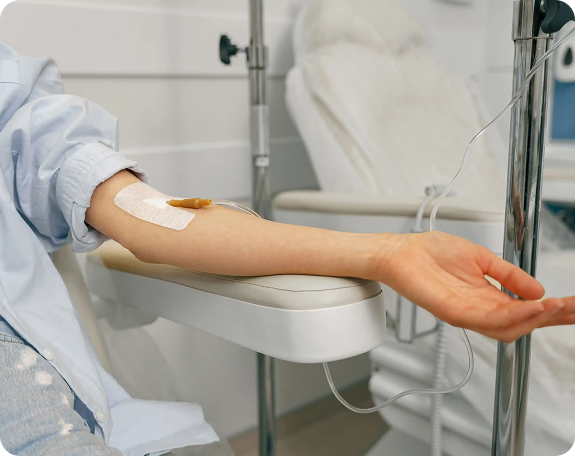
Discreet telemedicine solutions for performance, libido & intimacy restoration.

Medical weight loss through metabolic optimization & peptide-assisted fat loss.

Targeted peptides for cellular repair, recovery & longevity optimization.

Mon-Thu: 9AM – 5PM
Fri: 9AM – 3PM